
Mera Mills Route
A magical place with waterfalls, historic mills and rich biodiversity. Ideal for hiking, it offers breathtaking views and rock formations.
On this route, we’ll travel through a magical, almost untamed landscape, which seems almost impossible to find so close to a town of nearly 100,000 inhabitants.
The River Mera, a tributary of the Miño, carves out a very distinctive valley that runs through much of the municipality’s territory. It is also here that the Camino Primitivo runs – the first route to Santiago, a great civilising route along which people and ideas from almost all of Europe travelled.
In the final stretch of its course, the Mera forms a beautiful waterfall which, together with its mill, marks the end point and true highlight of this route. The river’s right bank borders a communal mountain, the main reason why it has been preserved in its current state. The inhabitants of the parish of Orbazai love and respect this mountain. Thanks to them and their ancestors, we can enjoy this wonderful walk today, and we must show our gratitude by treating the land and the river with the utmost care and absolute respect.
We call this route the ‘River of Mills’, not because other rivers lack them, but because, until very recently, the mills on the River Mera were of great importance to the city of Lugo, helping to supply it with flour. Along the stretch we are about to walk, we will come across three magnificent examples, complete with their millstones and reservoirs; although they are no longer in operation, their hydraulic systems remain in good condition.
Flora and fauna
Agricultural changes have brought an end to the traditional use of the mountains, and in recent decades the vegetation has recovered exuberantly, forming a natural forest.
Oaks, alders, ash trees, willows, birches, hazel trees, wild cherry and pear trees, bloodroot, reeds, elderberries, blackthorns, holly… The smaller flora is countless, and the abundance of the beautiful royal fern is particularly striking, especially on the final stretch of the path, where the river narrows and its flow increases. As we go along, we will also see a wide variety of mushrooms, including many amanitas… the most poisonous of them all.
As for the fauna, there is a great wealth of birdlife; with a bit of luck, we may even spot a blackbird or a river warbler, which are generally difficult to observe. The fish population is limited to trout and a few eels that have managed to survive the high hydroelectric dams; however, they are not easy to spot, as they tend to hide in the mud at the bottom. Before the reservoirs were built, they were very abundant, and fish farms were set up to catch them; we shall see an example of one. Among the amphibians, you can spot the common toad and the moor frog, which will leap into the water as we walk along the bank.
Itinerary
We follow the signpost and arrive at a spring. We turn slightly to the right, and then again, and follow the river downstream to see a mill with its waterwheel.
We retrace our steps, now heading steadily upstream. The stream we have just seen has a significant influence on the appearance of the river, which for a good stretch seems deep and flows very slowly. Little by little, it regains its natural appearance, and we see that it is in fact a river with a fairly swift current, flowing over a bed of sand and granite stones.
We come across the remains of a fish farm. In the past, eels were very abundant, and during migration seasons they were caught by the quintal in the Miño and its tributaries.
Shortly afterwards, we come across a narrow path and a bridge. This spot is a ‘puerto’. On rivers, this term refers to a ford or natural crossing through a shallow stretch, artificially extended on both banks by a path that cuts across them, starting at riverbed level and rising gently. People, livestock and carts could cross it when the current allowed, which was precisely in late spring, summer and autumn – that is, during the farming seasons.
We continue along the same riverbank and soon come across another mill. This one does not require a weir on the River Mera, as the water reaches it via a ‘raiiro’ – an artificial channel that collects water from the river upstream, making use of the gradient.
From here, we come across an abundance of royal ferns.
Shortly after the mill, we move slightly away from the river, though always running parallel to its course. We reach a waterfall formed by large cliffs and, on the opposite bank, we can see the Abelleira mill, currently used by a private owner as a second home. A place of breathtaking beauty.
Here we may or may not take a shortcut upstream – a rather difficult and dangerous, oval-shaped path – which would take us back to the same spot.
We return downstream, now along the riverbank; here we’ll find some astonishing sculptures carved into large rocks. Hikers can let their imagination run wild and try to guess what they are; we do not know for certain. We will simply say that two of them are of Romanesque style: the head of an Agnus Dei, like those adorning the spires of many medieval churches, and a monstrous creature peering out.
Now the river has an island in the middle, over a hundred metres long, formed by large rocks and covered in lush vegetation. We reach the same path we came along and follow it to the bridge. Then, we turn right and, continuing in the same general direction, follow a path at a considerable height which offers us a different view of the riverbank and also of the land on the other side of the Mera. A little further on, we naturally return to the river for another stretch. A new signpost marks the point where we veer off the path we came along for just over a hundred metres; we rejoin it very close to the Segade spring and the picnic area.
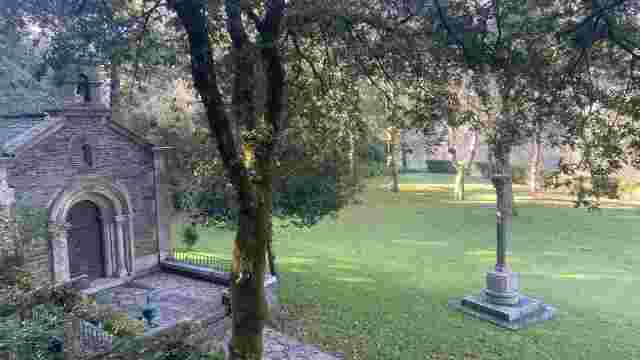
Acequia del Rey Chiquito
A medieval canal of natural beauty and cultural significance, ideal for strolling and enjoying the countryside, and a testament to historical hydraulic engin...
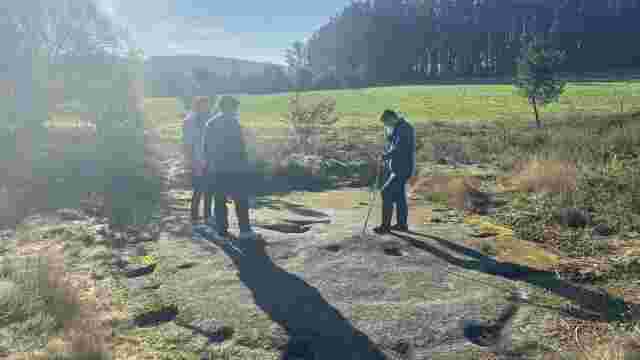
Altar of Adai
A prehistoric megalithic monument set amidst natural surroundings, ideal for lovers of history and archaeology, offering a unique and picturesque experience.
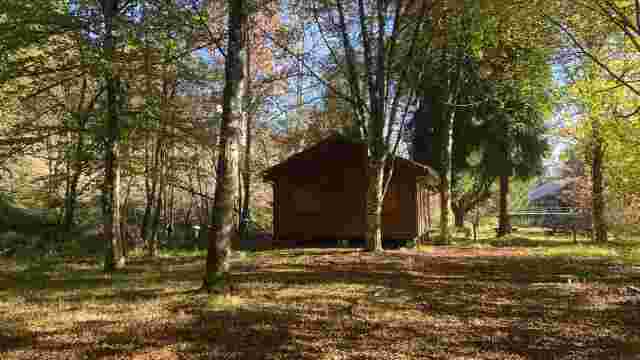
O Veral Nature Centre
An educational space set in a natural environment, featuring nature trails and interactive workshops, ideal for exploring flora and fauna and promoting envir...
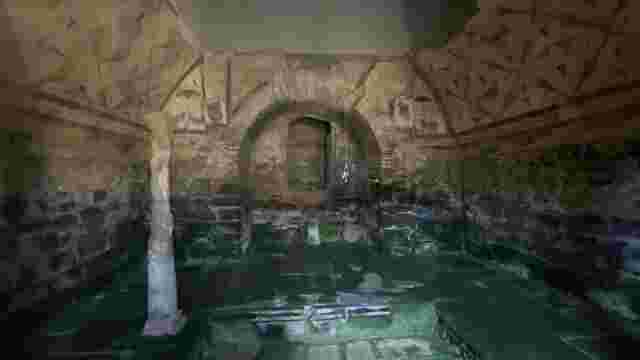
BIC Santa Eulalia de Bóveda
A unique monumental complex featuring ancient murals and a central pool, ideal for admiring late Roman architecture and granite reliefs.
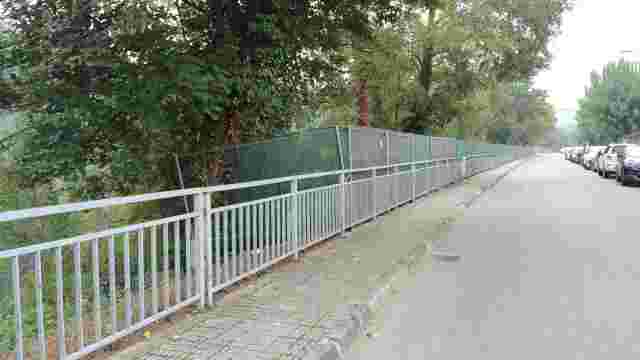
That Caneiro by Olga
A natural spot with lush vegetation and walking trails, ideal for leisure activities and moments of contemplation by the river.
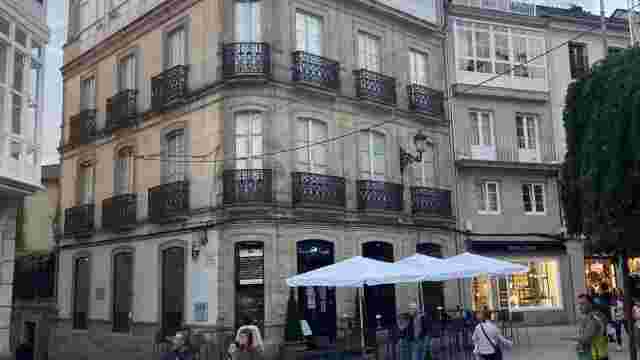
Birthplace of Luis Pimentel
A cultural venue celebrating Galician poetry, featuring events and exhibitions, offering an insight into the poet’s historical and literary world.
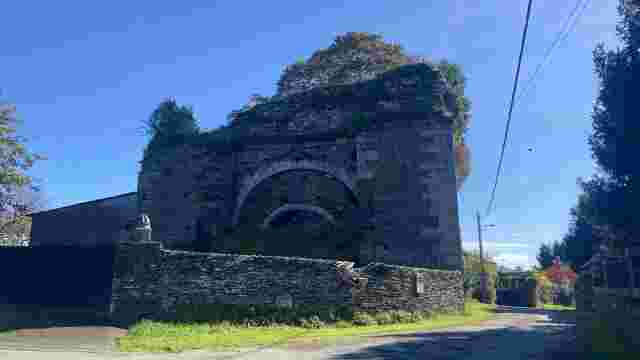
San Román Castle and San Antón Tower
A medieval fortification with panoramic views and a rich history, bearing witness to its military and architectural past, ideal for culture lovers.
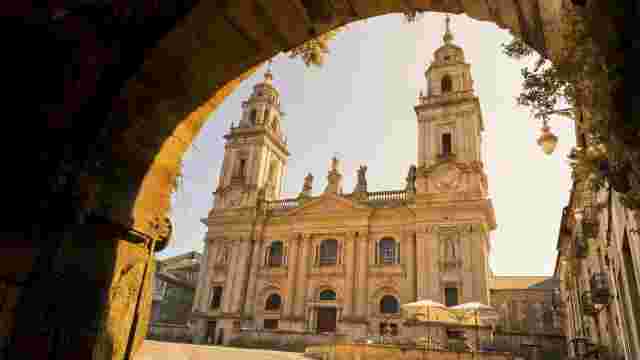
Lugo Cathedral
A historic church that combines various architectural styles and features a unique display of the Blessed Sacrament, making it a key destination for pilgrims...
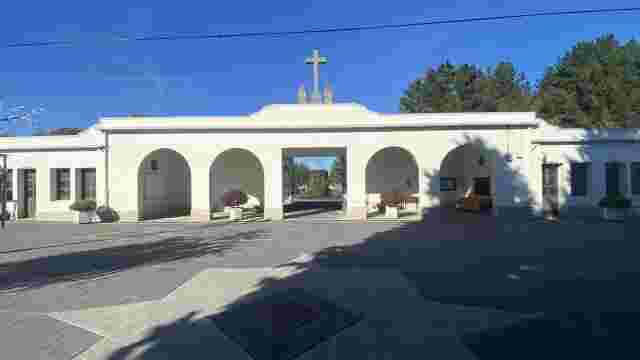
San Froilán Cemetery
It is notable for its funerary architecture, sculptures and mausoleums of illustrious figures, set amongst greenery that fosters a sense of tranquillity and ...
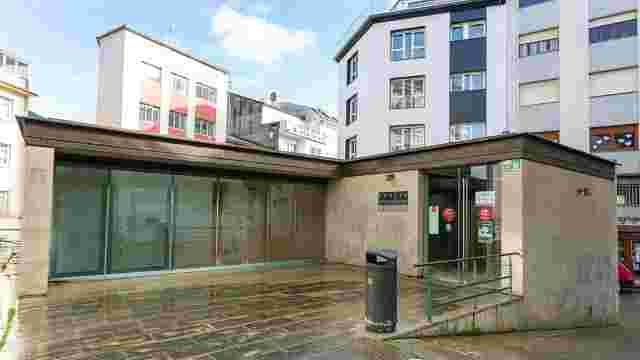
San Roque Archaeological Centre
Well-preserved Roman baths and sophisticated ancient engineering are the main attractions, with exhibitions that enrich the historical experience.
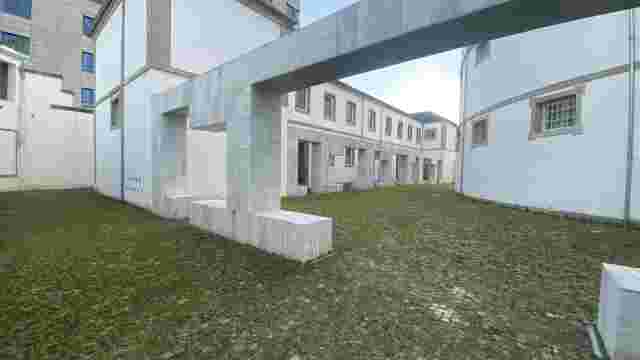
Old Prison Cultural Centre
A unique cultural venue that blends the historic architecture of a former prison with modern facilities for exhibitions and creative events.
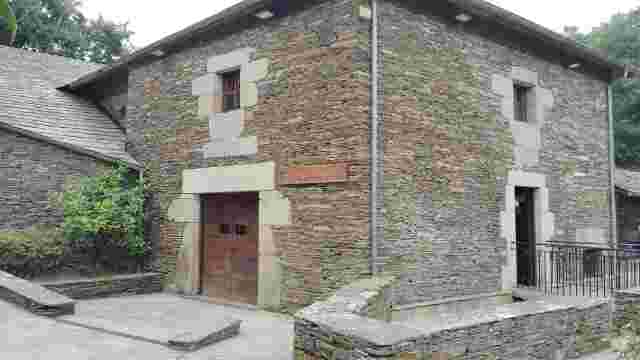
Terras do Miño Interpretation Centre
An educational space featuring interactive exhibitions on biodiversity and ecosystems, ideal for exploring the reserve’s landscapes and footpaths.
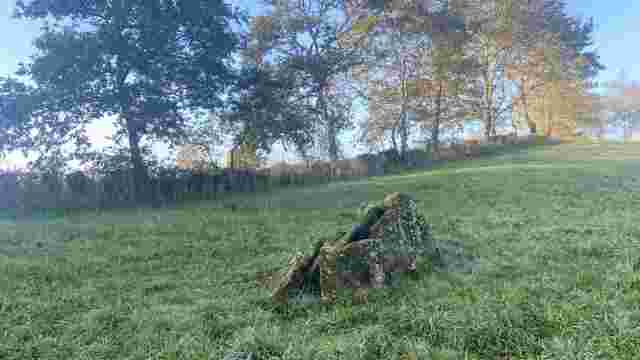
Dolmen of Adai
A prehistoric megalithic monument comprising large stone slabs, it is of archaeological and scenic interest, offering a link to ancient civilisations.
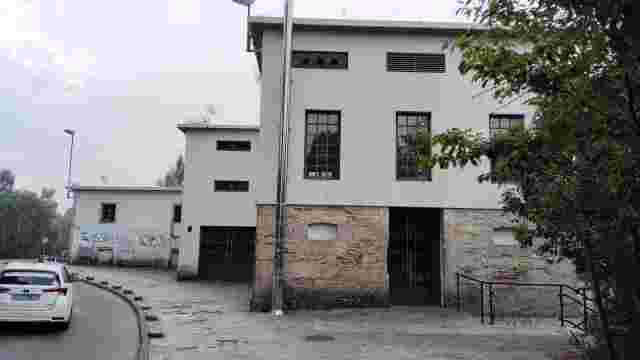
Light Factory
A cultural space converted from an industrial site, it hosts exhibitions, workshops and events, blending historical heritage with contemporary art.
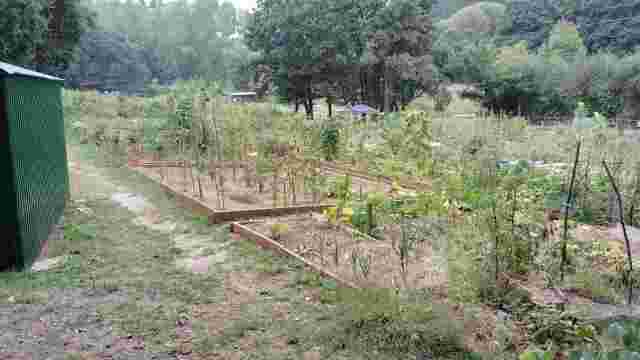
Río Rato Urban Allotments
A community space by the river that promotes sustainable agriculture, environmental education and social cohesion through workshops and activities for all ages.
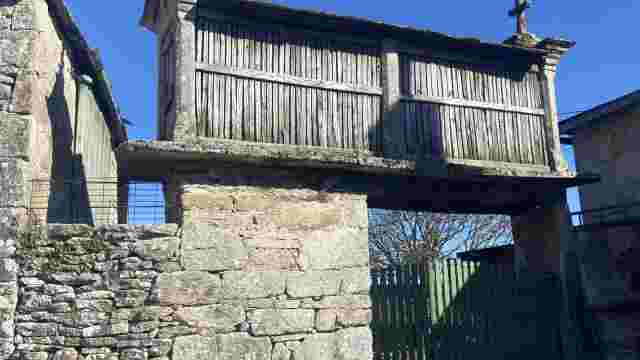
The barn at Santalla de Bóveda
An enigmatic Roman monument with unique architecture, frescoes depicting animals and geometric patterns, and an air of mystery that attracts tourists and sch...
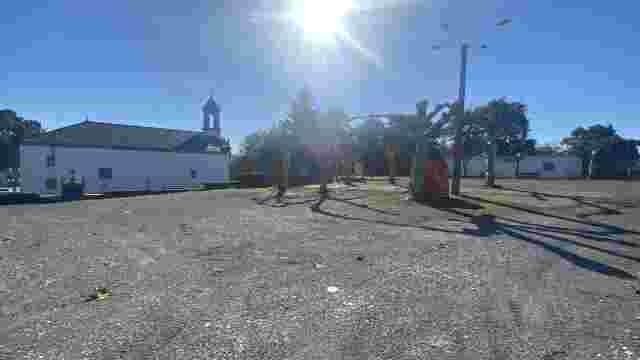
Church of San Andrés de Castro
A Romanesque church with a single nave and a semicircular apse, surrounded by nature, ideal for enjoying historical art and the tranquillity of the surroundi...
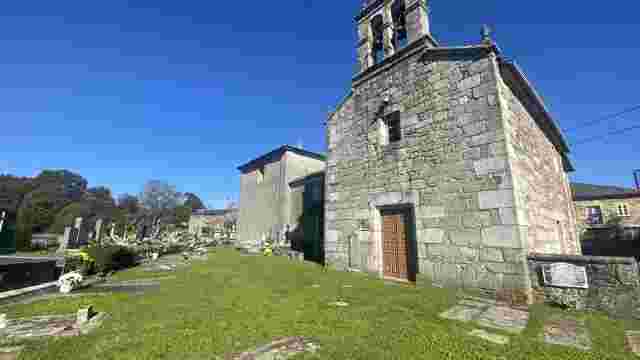
Church of San Vicente de Coeo
A Romanesque church set in picturesque countryside, with stone walls and carved capitals, offering a sense of peace and a connection to local history and tra...
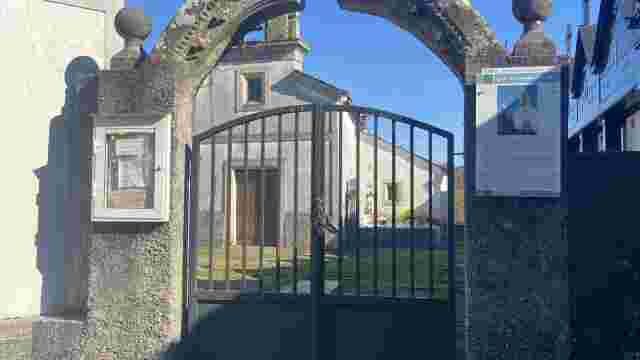
Church of Santalla de Cuíña
A Romanesque church with a stone structure and simple details, set amongst green hills – the perfect place to reconnect with the past and enjoy the tranquill...
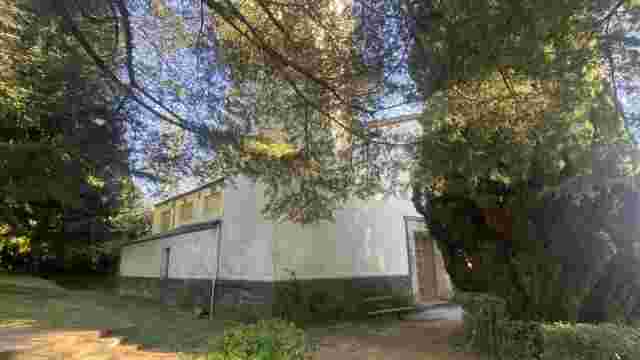
Church of St James the Apostle in Castelo
It is notable for its Romanesque style, sculpted capitals and ancient frescoes, and stands as a testament to the region’s historical and cultural heritage.
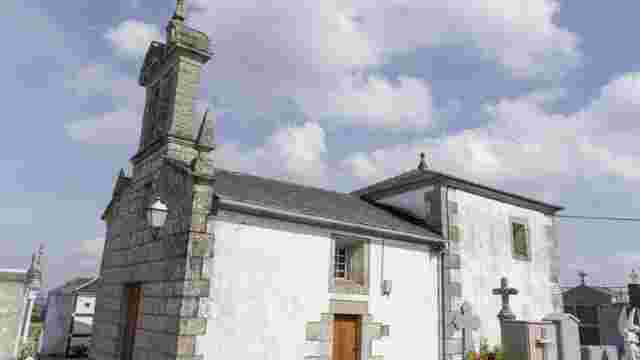
Church of Santiago de Piúgos
A rural Romanesque church with a semicircular apse and a decorated portal, it features medieval details that reflect the region’s historical and cultural her...

Church of Santiago, A Nova
Situated on a traditional street, it stands out for its 20th-century neoclassical façade, the result of urban redevelopment. Ideal for history lovers.
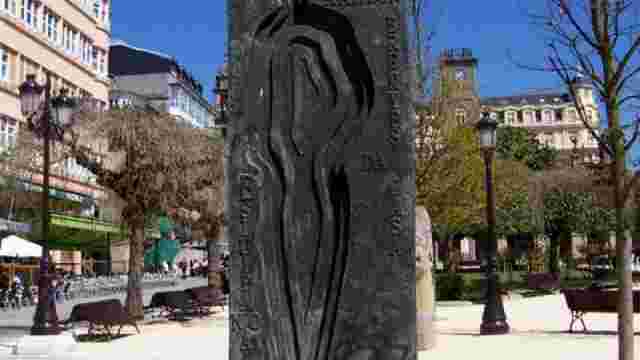
Monument to the poet Pimentel
An evocative sculpture in an urban setting that invites reflection and poetic enjoyment, ideal for contemplating and appreciating the literary cultural herit...
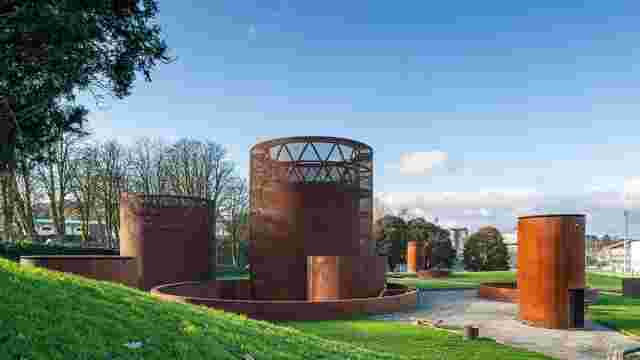
Lugo Interactive History Museum
A cultural centre featuring interactive exhibitions and cutting-edge technology that allows visitors to explore different historical periods, with a particul...

Molinos de Mera
Old watermills, lush forests and footpaths make this place an ideal destination for lovers of nature and rural history.

Orbán’s palace
A Baroque palace featuring a coat of arms displaying the crests of noble families, completed in 1769, and the perfect place to admire historic architecture a...

False door
A secondary entrance to the Roman walls, offering a unique perspective on the historical and architectural heritage – ideal for exploring off the beaten track.
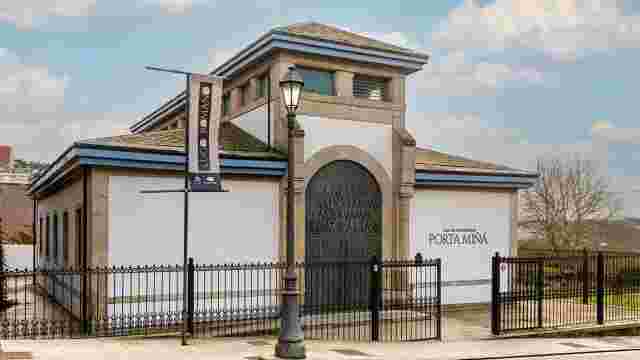
Miñá Gate
An exhibition on Roman Lugo, housed in a former abattoir, offers a journey through history with photographs, maps and archaeological artefacts along the Way ...

New door
A gate of Roman origin, rebuilt in 1900, it is notable for its historic architecture and its connection to the ancient Via XX. Ideal for history lovers.

Station entrance
Designed by Luciano Travadelo, this historic gateway enhances the link between the town centre and the station, whilst serving as an architectural attraction...

St Peter’s Gate
An ancient Roman gate with a medieval history, rebuilt in 1781, which offers tourists a glimpse into the area’s history and culture.

Santiago Gate
A historic gate of Roman origin, renovated in 1759, it is notable for its coat of arms and the image of St James, and forms part of the Primitive Way.

Bishop Aguirre’s Gate
This historic entrance, designed by Nemesio Cobreros, leads to the seminary and an old cemetery, offering a unique architectural and cultural experience.

Bishop Odoario’s Door
This historic gateway, designed by Ramiro Sainz, provides a unique link to the Hospital de Santa María and forms part of a National Monument.

Constitution Square
An iconic venue with historic architecture, a welcoming atmosphere, café terraces and proximity to monuments, ideal for cultural and social events.
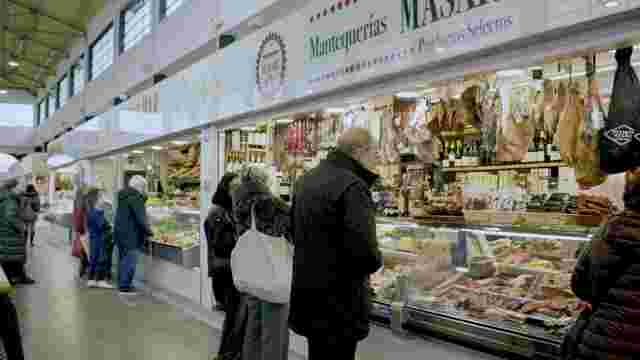
Food market and market
A historic market that blends tradition and modernity, offering fresh produce and cultural events, and serving as a gastronomic and community tourist attract...

Santa María Square
A historic area with a Romanesque and Gothic cathedral, surrounded by old buildings, ideal for exploring cobbled streets and soaking up the medieval atmosphere.

Chanca Viaduct
A railway structure featuring elegant arches, it offers panoramic views and blends into the natural landscape, attracting tourists with its grandeur.
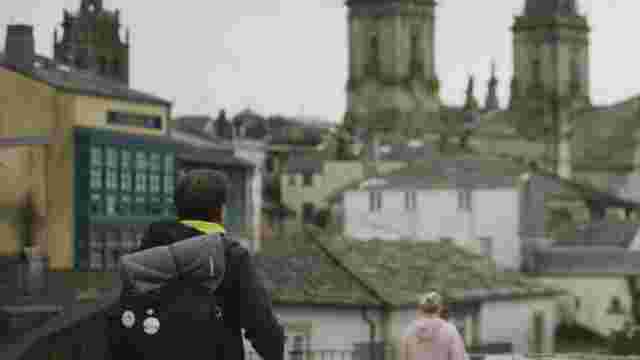
Roman Wall of Lugo
An impressive Roman fortress with a perimeter of over 2 km, crowned by semi-circular towers. A World Heritage Site, it offers unique views.
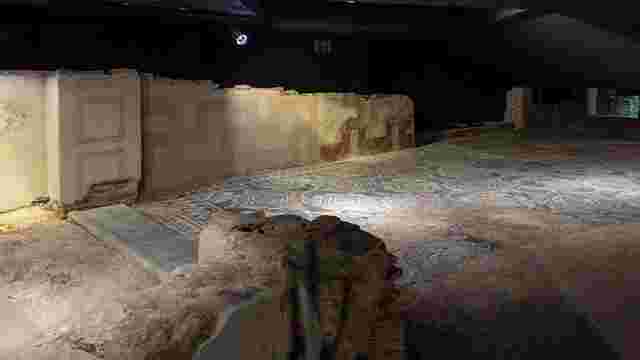
House of Mosaics
A Roman residence featuring geometric and figurative mosaics, a radial heating system and porticoed courtyards, ideal for admiring the rich ancient ornamenta...
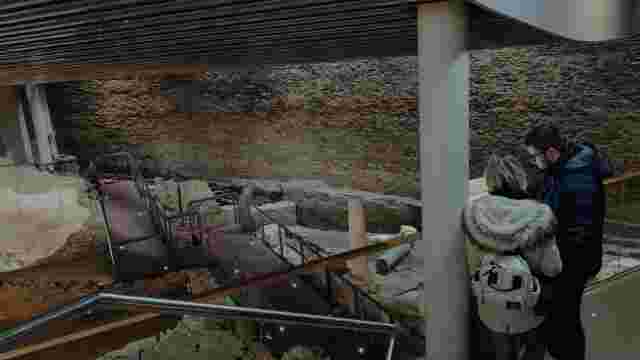
House of Mithras
A unique archaeological site featuring the remains of a Roman house and a temple dedicated to Mithras, with murals and the architecture of the ancient Lucus ...
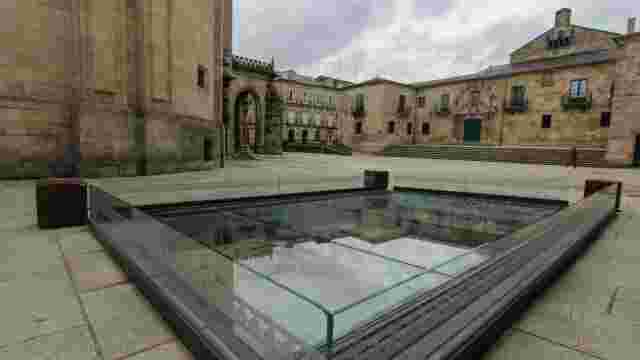
Roman swimming pool
A Roman archaeological site with a well-preserved structure, showcasing engineering techniques and social life, and reflecting its history and advanced archi...
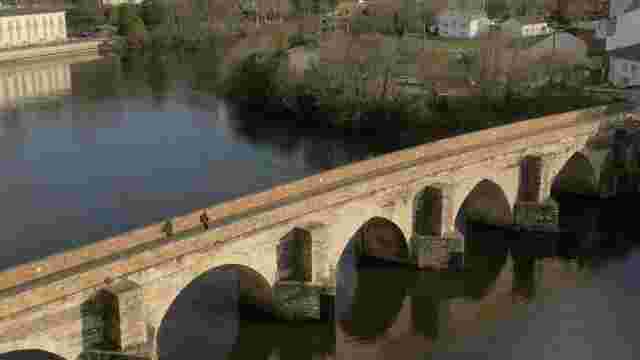
Roman bridge
A historic bridge with Roman foundations, forming part of the Primitive Way to Santiago, offers a picturesque route from the city walls to the River Miño.
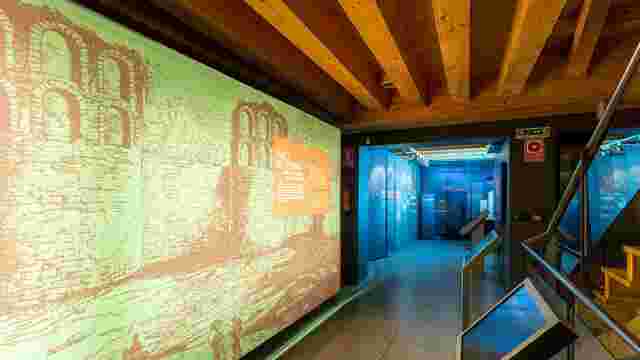
El Muro Interpretation Centre
It offers a journey through time using advanced audiovisual technology in a Baroque house, situated at the heart of Roman history.

Church of San Froilán
A Baroque church with a barrel vault and a central dome, it is notable for its façade featuring a coat of arms and a statue of Saint Raphael, flanked by eleg...
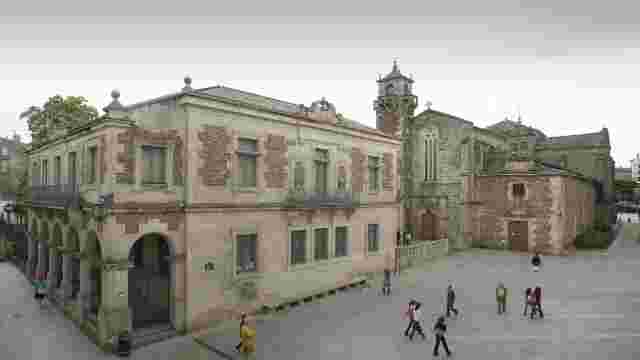
Provincial Museum of Lugo
An archaeological museum featuring pre-Roman art, a Romanesque cloister and the remains of a Franciscan convent. Ideal for lovers of history and art.
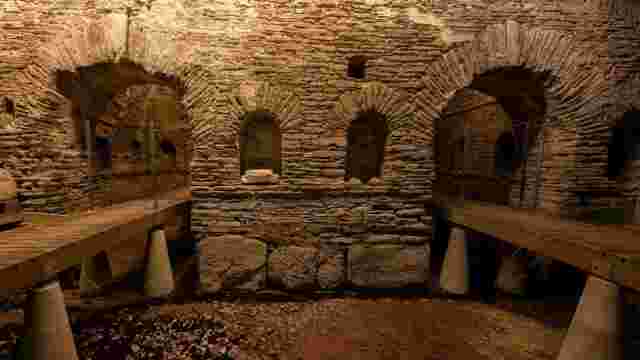
Roman baths
These Roman ruins, which are open to the public, are notable for their apodycterium, vaults and urns set into the walls, offering a unique historical experie...

Plaza Mayor
Situated in the symbolic and bustling city centre, it stands out for its Baroque architecture, arcades, towers and monuments, making it a key attraction for ...

Bishop’s Palace
A Baroque building with elements of a Gothic palace; its balcony and coats of arms are particularly striking. It is situated opposite a cathedral in a pictur...
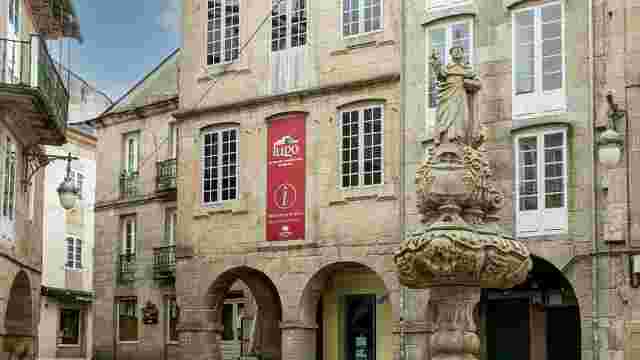
PLAZA DO CAMPO AND THE MIÑO NEIGHBOURHOOD
A triangular square featuring Baroque architecture, a central fountain and medieval streets. Ideal for exploring local history and culture.

Church of St Peter
A gem of the Mendicant Gothic style, with a Latin cross plan, polychrome stained-glass windows and polygonal apses. Listed as a Historic-Artistic Monument si...

Church of Santo Domingo
A Gothic church with a Latin cross plan, polygonal apses and ribbed vaults. Its dome and the south façade, with its Baroque decoration, are particularly note...
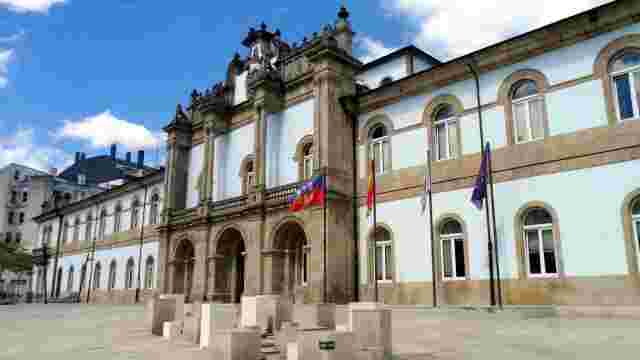
Provincial Council Building
A historic two-storey building with a symmetrical façade in the classical style and a back garden featuring magnolias, situated next to the Roman wall.

Church of Saint Mary Madanela of Adai
A rural Romanesque church with simple architecture and picturesque surroundings, ideal for enjoying some peace and quiet and connecting with local history.

Church of Santa María de Alta
It is notable for its Romanesque architecture with Gothic elements, its impressive façade featuring a rose window, its sculpted doorways and the valuable wor...

Church of San Xoán de Alto
A Romanesque church situated on high ground, offering panoramic views and historic ornamental details, attracting lovers of cultural heritage.

Church of Saint Mamede of Angels
A Romanesque church set in peaceful surroundings, with stone walls and a modest bell tower. The ornate interior reflects the local history and culture.

Church of San Miguel de Bacurín
A 12th-century Romanesque church with an elegant rose window and archivolts, set in picturesque rural surroundings, reflecting local history and devotion.

Church of Santa María de Bascuas
A Romanesque church set in picturesque countryside, with an austere façade and bell tower, offers peace and contemplation amidst nature.

Church of San Remixio in Bazar
A Romanesque church with a stone façade and bell tower, featuring frescoes and wood carvings, ideal for contemplation in a peaceful rural setting.

Church of San Xiao in Bocamaos
A 12th–13th-century Romanesque church, with stone walls, decorated capitals and a semicircular apse, ideal for lovers of medieval heritage.

Church of Santa Eulalia in Bóveda
A Roman monument featuring unique early Christian frescoes and underground architecture, bearing witness to the cultural and religious transition of antiquity.

Church of Santa María de Bóveda
An underground temple with a barrel vault and ancient frescoes, blending pagan and Christian art, reflecting the region’s historical and cultural transition.

Church of San Vicente de Burgo
An example of Romanesque architecture featuring a single nave, a semicircular apse and medieval sculptural details, ideal for lovers of cultural heritage.

Church of San Pedro de Calde
A fine example of Romanesque architecture, featuring stone walls, an elegant bell tower, decorated capitals and ancient frescoes, set in a picturesque and tr...

Church of Santo Estevo in Camoira
A Romanesque church set in picturesque surroundings, with decorated arches and capitals, reflecting the transition to the Gothic style. It attracts lovers of...

Church of San Xoán de Campo
A fine example of Romanesque architecture with an imposing bell tower, ornate capitals and ancient frescoes; an architectural and historical treasure waiting...

Church of Saint Martin of Carballido
A Romanesque church with stone walls, frescoes and wood carvings, set in peaceful rural surroundings, ideal for reflection and appreciating history.

Church of Santa María Madanela in Coeses
A charming Romanesque church with a decorative façade, semicircular arches and carved capitals, reflecting the region’s historical and cultural development.

Church of Santa Eulalia (Santabaia) in Esperante
A Romanesque church with a semicircular apse and a decorated portal; frescoes and artistic carvings enhance its historical and cultural value.

Church of Santa Marta de Fixos
A Romanesque church with a semicircular apse and ornate doorways, set amidst natural surroundings, ideal for lovers of history and spiritual peace.

Church of Santa María de Gondar
A charming Romanesque church with decorated archivolts and a rose window, set in picturesque rural surroundings, ideal for lovers of medieval art.

Church of San Pedro de Labio
A 12th–13th-century Romanesque church with stone walls, a bell tower, carved capitals and biblical frescoes, ideal for admiring art and history.

Church of Santa Eulalia in Lamas
An example of Romanesque architecture, with stone walls and carved capitals, it stands as a historical and cultural monument that attracts visitors.

Church of Santa Eulalia in Mazoi
A Romanesque church set in picturesque surroundings, featuring a variety of architectural elements and artistic details that reflect local history and tradit...

Church of Santiago de Meilán
A 12th-century Romanesque church with austere architecture, a single nave and a semicircular apse. It features elements marking the transition to the Gothic ...

Church of San Pedro de Mera
A 12th-century Romanesque example with an austere façade and decorated capitals, ideal for lovers of medieval art and religious history.

Church of Santa María Madanela in Monte de Meda
A Romanesque church set in picturesque countryside, with stone walls and an imposing bell tower. It is notable for its religious art and its historical and a...

Church of Santa María de Muxa
A Romanesque-Gothic church with a stone façade, decorated capitals and barrel vaults, ideal for lovers of history and architecture.

Church of Saint Martin of Ombreiro
A charming Romanesque church with a stone structure, carved capitals and ancient frescoes, set in picturesque rural surroundings.

Church of San Miguel de Orbazai
A Romanesque church with a single nave and a semicircular apse, offering peace and spiritual connection in a stunning natural setting. Ideal for history lovers.

Church of San Salvador de Outeiro
A Romanesque church with a rose window and decorated archivolts, as well as sculpted capitals, set in picturesque rural surroundings, bearing witness to medi...

Church of San Vicente de Pedreda
A Romanesque church set in picturesque countryside, with stone walls and a historic bell tower. It offers a serene atmosphere, ideal for contemplation.

Church of San Xoán de Pena
A medieval Romanesque church with a semicircular apse and a carved portal, embodying simplicity and spirituality, and standing as a testament to our historic...

Church of San Vicente de Pías
A Romanesque church in a rural setting, with a semicircular apse and a portal featuring archivolts, reflects history and devotion, connecting visitors with t...

Church of Saint Martin of Piñeiro
A Romanesque church with carved capitals and a semicircular apse, set in tranquil natural surroundings, ideal for appreciating the historical heritage.

Church of San Martiño de Poutomillos
A medieval church featuring Romanesque architecture and a bell tower, the perfect spot to admire and enjoy the scenery in a picturesque rural setting.

Church of Santiago de Prógalo
A Romanesque church with Gothic elements, it is notable for its rose window, decorated archivolts and interior frescoes, reflecting art and historical devotion.

Church of Saint Lawrence of Recimil
A Romanesque church with an elegant structure and ornate details, set amidst natural surroundings, ideal for lovers of history and architecture.

Church of San Mamede in Ribas de Miño
It is notable for its Romanesque architecture, its façade with decorated archivolts and its picturesque natural surroundings, making it ideal for lovers of h...

Church of San Pedro de Romeán
A medieval Romanesque-style church with stone walls, carved capitals and ancient frescoes, ideal for lovers of art and history.

Church of San Xiao in Rubiás
A Romanesque church with simple lines and artistic details, set in picturesque surroundings, ideal for lovers of art and history.

Church of Santiago de Saa
It is notable for its Romanesque style and its imposing bell tower. The natural surroundings offer a sense of tranquillity, making it ideal for lovers of his...

Church of Santa Cristina de San Román
A simple yet elegant Romanesque church, featuring timeless architectural and artistic details, ideal for exploring the local cultural and architectural herit...

Church of St Peter in Santa Comba
A pre-Romanesque church with horseshoe arches and decorated capitals, combining Visigothic and Mozarabic styles, ideal for lovers of history and architecture.

Church of San Pedro de Soñar
A 12th-century Romanesque church featuring ancient frescoes and wood carvings, ideal for contemplation and reflection in a medieval setting.

Church of Santa Maria de Teixeiro
A Romanesque church set in a rural setting, it stands out for its simplicity and sturdiness. Its austere façade invites reflection on history and spirituality.

Church of San Xoán de Tirimol
A rural Galician church in the Romanesque style, with an austere façade and bell tower, offers a unique historical and cultural experience.

Church of Santa María de Torible
A Romanesque church with carved capitals and a semicircular apse, set in picturesque rural surroundings, ideal for lovers of history and tranquillity.

Church of San Vicente de Veral
A Romanesque church with a stone façade and an elegant bell tower. Ancient frescoes and architectural details bear witness to centuries of devotion and tradi...

Church of San Xiao in Vilachá de Mera
A Romanesque church set in picturesque surroundings, with austere beauty and artistic details, ideal for exploring the region’s historical and cultural herit...

Quarry site
A rural route in Lugo featuring natural landscapes, historic bridges and viaducts, churches and lush forests. Ideal for walking and enjoying nature.

Mera Mills Route
A magical place with waterfalls, historic mills and rich biodiversity. Ideal for hiking, it offers breathtaking views and rock formations.

Route of the Huts
A nature and ethnographic trail featuring lush vegetation, diverse wildlife and cultural features such as mills and bridges, ideal for nature lovers.

The old agricultural town of Lugo
A magical route featuring a unique Roman monument, traditional agricultural landscapes, Galician stone walls and a rich variety of flora, ideal for cultural ...

Little Froilan
A sightseeing route in Lugo that combines history and nature: the Roman Wall, the Cathedral, the Regueiro das Hortas, the Roman Bridge and the San Lázaro For...

from Lucus
A historic route featuring Roman walls, ancient bridges, lush natural surroundings and an iconic cemetery of artistic and historical significance. Ideal for ...

Lamas
A nature trail featuring beautiful scenery, woodlands and street art. Ideal for getting away from the hustle and bustle and enjoying nature near the River Miño.

Scribbles
This urban route offers panoramic views, street art and natural scenery, with the ruins of a Roman aqueduct being a particular highlight. Ideal for cultural ...

The High Banks – Up the Miño
An ideal route for water sports, with scenery featuring oak groves and meadows. Rowing and catamaran trips are particular highlights. The waters are teeming ...

Green Belt
A 20 km circular route in Lugo, notable for its woodlands, street art and rich wildlife. Ideal for walking and enjoying nature without leaving the urban area.

The Fervedoira Trail
A route through Lugo featuring spectacular scenery, street art, lush vegetation and picturesque neighbourhoods. Ideal for lovers of nature and culture.

The West Bank
Lush forests, enchanting footpaths and ethnographic heritage offer a unique experience for walkers, with breathtaking views and a rich local history.
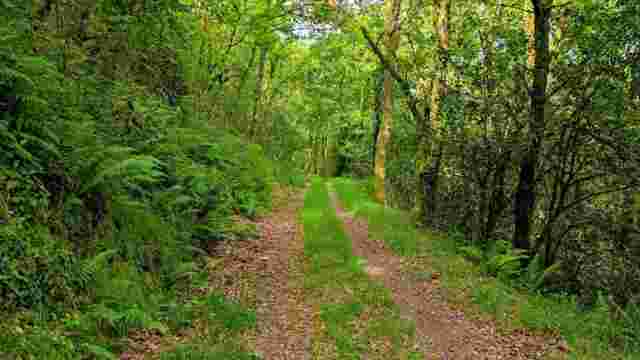
Via Künig
Historic St James’s Way route leading to Lugo and connecting with the Primitive Way to Santiago
The Primitive Way of St James
A section of the Primitive Way, passing through rural countryside, the historic centre and the Roman Bridge in Lugo