
Green Belt
A 20 km circular route in Lugo, notable for its woodlands, street art and rich wildlife. Ideal for walking and enjoying nature without leaving the urban area.
The Green Belt is the longest route of them all, and also one of the most highly recommended. It’s a way of discovering the natural splendour of the city of Lugo, practically without leaving the urban area of the municipality. Following the paths along the Miño and the Rato rivers, and completing the circuit through woods and parks, we’ll cover a circular route of approximately 20 kilometres (depending on the alternative routes we choose for certain sections).
ROUTE
The Green Belt route begins and ends at what could well be considered the ‘kilometre zero’ of Galician hiking: the Roman Bridge (1st century AD). In the neighbourhood of A Ponte, with two thousand years of history (where the Roman Baths are also located), we begin our walk along the beautiful Miño trail, heading upstream. We pass by the Fábrica da Luz, the Illas Canal, the Cheda recreation area, As Saamasas, the Los Robles recreation area and, subsequently, we walk along one of the most beautiful sections of Lugo’s nature trails: the oak groves, the riverside woods and the wooded areas along the Miño.
Incredible as it may seem, along this stretch we can also enjoy examples of Lugo’s street art, such as ‘Vivaldi’s Four Seasons’ by Leandro Barea, ‘The Rooster’ and ‘The Bear’ by Diego AS, and other details we’ll come across during the walk.
Upon reaching a point on the Ombreiro road, we’ll leave the course of the River Miño for the first time, in order to complete the green belt. We’ll head up towards the northern part of the city through magnificent woodlands that connect us with the neighbourhoods of Abella and Piringalla. Either of the two routes is fine, and from there we’ll head to the Parque da Milagrosa. Along the way, we’ll be able to enjoy some of Lugo’s finest urban art, as this northern part of the city is home to the greatest concentration of graffiti and murals.
In Parque da Milagrosa, we’ll have the chance to visit the Paseo do Cine de Lugo, the Interactive Museum of the History of Lugo and the entire Frigsa sports complex.
It is at this point that we’ll rejoin the riverside paths, specifically in Paradai Park, where the River Rato is already flowing with some volume after its source at the Pozas das Gándaras.
Sagrado Corazón Park, Chanca Park and the Rato promenade will be our next stops on our journey to rejoin the Miño. All this is known as a ‘heart-healthy park’ for good reason: we are in one of the main areas for walking and exercise for the people of Lugo.
In Tolda Park, we return to the Miño promenade, where we began our walk, but almost 2 kilometres further downstream. On this final stretch of the Cinto Verde, we can enjoy one of the city’s most biologically diverse areas in terms of birdlife and wildlife, as it is very easy to spot numerous species here, such as herons, cormorants, otters, shrikes and trout.
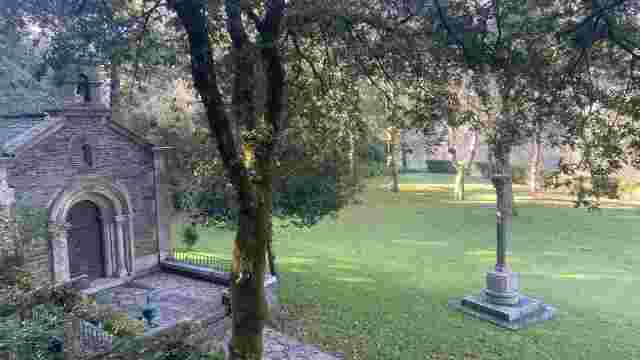
Acequia del Rey Chiquito
A medieval canal of natural beauty and cultural significance, ideal for strolling and enjoying the countryside, and a testament to historical hydraulic engin...
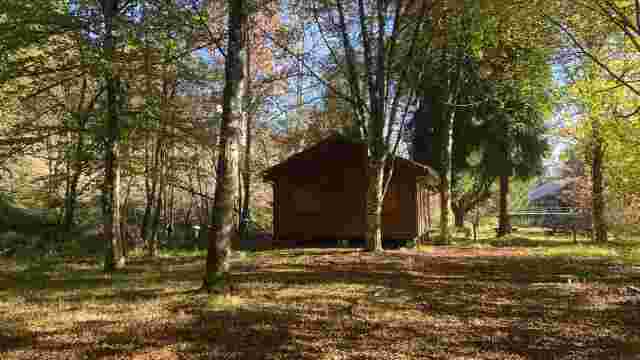
O Veral Nature Centre
An educational space set in a natural environment, featuring nature trails and interactive workshops, ideal for exploring flora and fauna and promoting envir...
That Caneiro by Olga
A natural spot with lush vegetation and walking trails, ideal for leisure activities and moments of contemplation by the river.
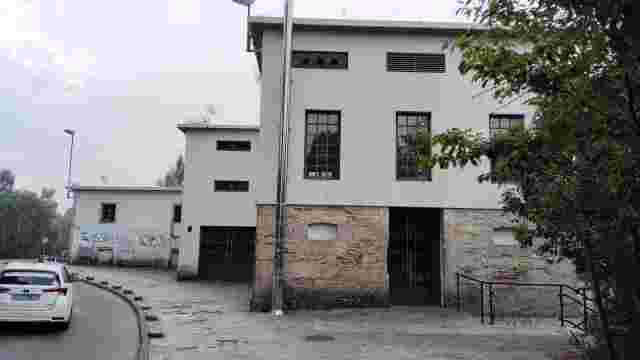
Light Factory
A cultural space converted from an industrial site, it hosts exhibitions, workshops and events, blending historical heritage with contemporary art.
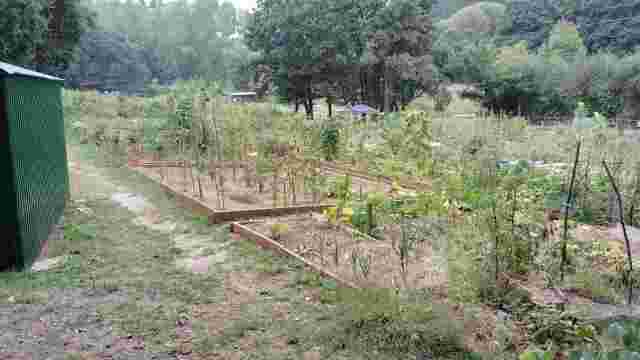
Río Rato Urban Allotments
A community space by the river that promotes sustainable agriculture, environmental education and social cohesion through workshops and activities for all ages.

Quarry site
A rural route in Lugo featuring natural landscapes, historic bridges and viaducts, churches and lush forests. Ideal for walking and enjoying nature.

Mera Mills Route
A magical place with waterfalls, historic mills and rich biodiversity. Ideal for hiking, it offers breathtaking views and rock formations.

Route of the Huts
A nature and ethnographic trail featuring lush vegetation, diverse wildlife and cultural features such as mills and bridges, ideal for nature lovers.

The old agricultural town of Lugo
A magical route featuring a unique Roman monument, traditional agricultural landscapes, Galician stone walls and a rich variety of flora, ideal for cultural ...

Little Froilan
A sightseeing route in Lugo that combines history and nature: the Roman Wall, the Cathedral, the Regueiro das Hortas, the Roman Bridge and the San Lázaro For...

from Lucus
A historic route featuring Roman walls, ancient bridges, lush natural surroundings and an iconic cemetery of artistic and historical significance. Ideal for ...

Lamas
A nature trail featuring beautiful scenery, woodlands and street art. Ideal for getting away from the hustle and bustle and enjoying nature near the River Miño.

Scribbles
This urban route offers panoramic views, street art and natural scenery, with the ruins of a Roman aqueduct being a particular highlight. Ideal for cultural ...

The High Banks – Up the Miño
An ideal route for water sports, with scenery featuring oak groves and meadows. Rowing and catamaran trips are particular highlights. The waters are teeming ...

Green Belt
A 20 km circular route in Lugo, notable for its woodlands, street art and rich wildlife. Ideal for walking and enjoying nature without leaving the urban area.

The Fervedoira Trail
A route through Lugo featuring spectacular scenery, street art, lush vegetation and picturesque neighbourhoods. Ideal for lovers of nature and culture.

The West Bank
Lush forests, enchanting footpaths and ethnographic heritage offer a unique experience for walkers, with breathtaking views and a rich local history.