
Little Froilan
A sightseeing route in Lugo that combines history and nature: the Roman Wall, the Cathedral, the Regueiro das Hortas, the Roman Bridge and the San Lázaro For...
The Little Froilán Trail is a journey that blends fantasy and reality as we explore some of the most special and heritage-rich spots in the city of Lugo.
The protagonist of this imaginary journey that will accompany us throughout the walk is none other than the city’s patron saint, Saint Froilán… but not just any Saint Froilán: Little Froilán. This is the boy who, according to legend, was born in Regueiro das Hortas in the year 833.
Going back to that time, to the 9th century, we’ll be fortunate that our present-day itinerary won’t require us to speculate too much, as we’ll be passing through parts of the city which, thankfully, haven’t changed much over the centuries. It’s a feeling similar to that experienced when walking along the Roman wall, which is undoubtedly one of Lugo’s greatest treasures: being able to feel history without any artifice.
ROUTE
Our route will begin and end at the Porta Miñá or Rúa do Carme: of the ten gates in the city walls, this is the one that best retains its original appearance. It’s a good idea to start the walk by taking in the marvellous scenery created by the combination of three UNESCO World Heritage Sites: the Roman Wall, the Vía Primitiva and the Cathedral of Santa María… a must-see photo opportunity! We’ll then head towards Rúa do Carme.
The first section of our route is packed with sights and attractions: as soon as we cross the outer ring of the Roman Wall, we’ll find the Porta Miñá municipal exhibition centre on the left (where, in just a few minutes, we can take a fascinating guided historical tour to imagine Roman Lugo), and on the right, the church of O Carme (dating from the 18th century, but with a long history behind it). We’ll also set off on the Camino de Santiago from the walled city centre (the entrance for those returning from Santiago).
In these first few steps, we’ll follow in the footsteps of millions of people throughout history: the Via XIX in Roman times, the Primitive Way from the 9th century, the Via Künig from the 15th century… We’ll soon reach the first fork in our route: continue along the Rúa do Carme or head down the Regueiro das Hortas. We’ll take the path on the left and head down this latter route, known as ‘the most beautiful street in the world’ for reasons which, once you’ve seen the place, need no explanation. The stretch to the Ronda do Carme will be the most beautiful of the day… let’s take in all the details mentioned: the beautiful dry-stone walls (Lugo’s fourth World Heritage Site since 2018), the splendid natural surroundings (fruit trees, tributaries of the Miño), the orchards of Bispos (as the Carme neighbourhood was known for many centuries) and, above all, let’s imagine little Froilán, born here, who surely did the same as us as a child on this lovely walk: heading down to the River Miño!
Once on the Ronda do Carme, we’ll walk a few metres to the left to find the steps leading down to the Calzada da Ponte or Calzada Romana (the natural continuation of the Regueiro das Hortas and the Vía XIX), which will take us right to the Roman Bridge itself (1st century AD). At this point, we can continue our journey or take the opportunity to enjoy the heritage sites around the Roman Bridge, particularly the Roman Baths located within the spa complex: one of the city’s most important historical remains and tourist attractions.
After crossing the bridge, and continuing to imagine the adventures of little Froilán, we head towards an area that is largely unknown even to the locals of Lugo: the Forest of San Lázaro. How do we get there?
First, we must continue our walk along the old Santiago road until we reach a sign on the right pointing towards Pontegaos. We’ll follow this direction and come across this beautiful and intriguing traditional village, from where we can also enjoy stunning views of ‘new Lugo’ to the south of the city.
When we reach the old Calle del Ponte, we’ll turn left and carry on straight until we reach the aforementioned forest, with incredible views of the River Miño. A place where its designation as a UNESCO Biosphere Reserve truly comes into its own.
In these woods, you can enjoy nature and make the most of magnificent photo opportunities, such as those offering views of the Cathedral and the centre of Lugo.
After crossing the woods, when you reach a small tarmac road, turn right and head down towards the San Lázaro monumental complex.
Next to the footpath that will take us back to the starting point, we’ll find this historic quarter comprising the former leper colony, the church and the cemetery of San Lázaro. Although its origins date back to the 12th century, its current appearance dates from the 18th century.
Back on the other side of the Miño, in the Fábrica da Luz area, we’ll head towards A Pousadela. We’ll arrive by walking up Avenida dos Deportes — from where we’ll enjoy spectacular views of the Islas area — and then head back towards O Carme along this charming old path, which also passes through the present-day neighbourhood of A Cheda and its market gardens.
And how do we get back to Porta Miñá? This time via Rúa do Carme, now recognised as a variant of the Primitive Way and which, together with the Regueiro das Hortas, is the neighbourhood’s other great historic avenue. We’re back at little Froilán’s house!
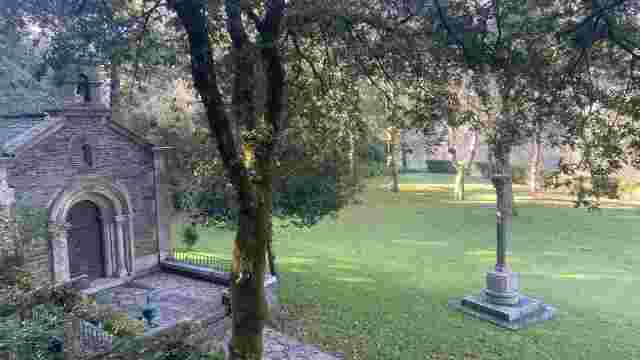
Acequia del Rey Chiquito
A medieval canal of natural beauty and cultural significance, ideal for strolling and enjoying the countryside, and a testament to historical hydraulic engin...
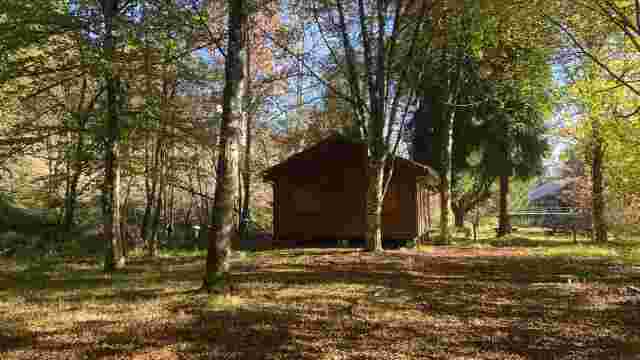
O Veral Nature Centre
An educational space set in a natural environment, featuring nature trails and interactive workshops, ideal for exploring flora and fauna and promoting envir...
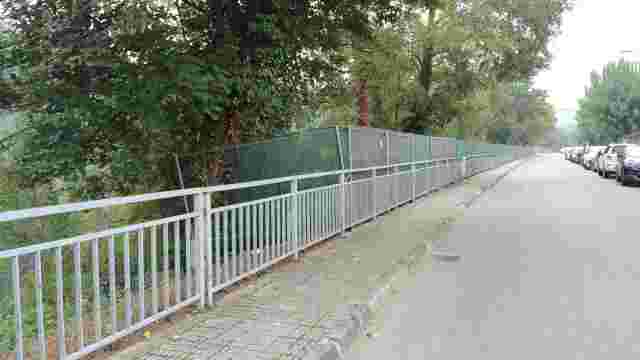
That Caneiro by Olga
A natural spot with lush vegetation and walking trails, ideal for leisure activities and moments of contemplation by the river.
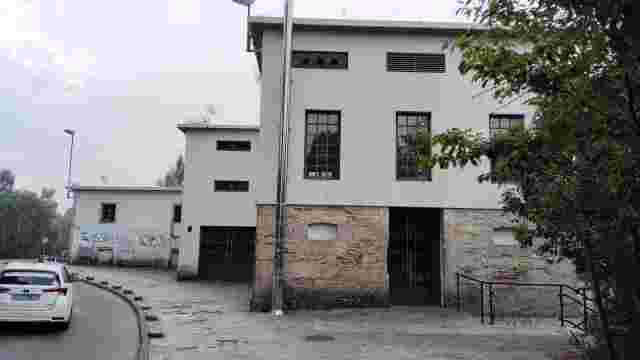
Light Factory
A cultural space converted from an industrial site, it hosts exhibitions, workshops and events, blending historical heritage with contemporary art.
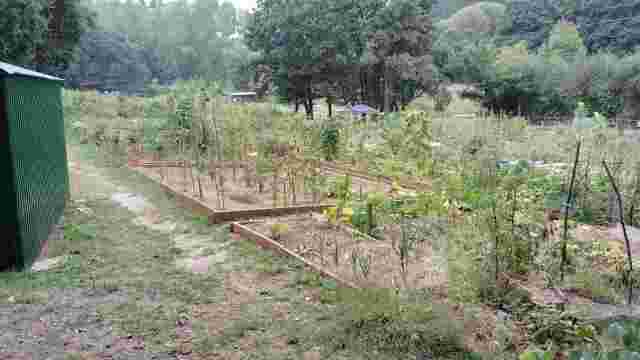
Río Rato Urban Allotments
A community space by the river that promotes sustainable agriculture, environmental education and social cohesion through workshops and activities for all ages.

Quarry site
A rural route in Lugo featuring natural landscapes, historic bridges and viaducts, churches and lush forests. Ideal for walking and enjoying nature.

Mera Mills Route
A magical place with waterfalls, historic mills and rich biodiversity. Ideal for hiking, it offers breathtaking views and rock formations.

Route of the Huts
A nature and ethnographic trail featuring lush vegetation, diverse wildlife and cultural features such as mills and bridges, ideal for nature lovers.

The old agricultural town of Lugo
A magical route featuring a unique Roman monument, traditional agricultural landscapes, Galician stone walls and a rich variety of flora, ideal for cultural ...

Little Froilan
A sightseeing route in Lugo that combines history and nature: the Roman Wall, the Cathedral, the Regueiro das Hortas, the Roman Bridge and the San Lázaro For...

from Lucus
A historic route featuring Roman walls, ancient bridges, lush natural surroundings and an iconic cemetery of artistic and historical significance. Ideal for ...

Lamas
A nature trail featuring beautiful scenery, woodlands and street art. Ideal for getting away from the hustle and bustle and enjoying nature near the River Miño.

Scribbles
This urban route offers panoramic views, street art and natural scenery, with the ruins of a Roman aqueduct being a particular highlight. Ideal for cultural ...

The High Banks – Up the Miño
An ideal route for water sports, with scenery featuring oak groves and meadows. Rowing and catamaran trips are particular highlights. The waters are teeming ...

Green Belt
A 20 km circular route in Lugo, notable for its woodlands, street art and rich wildlife. Ideal for walking and enjoying nature without leaving the urban area.

The Fervedoira Trail
A route through Lugo featuring spectacular scenery, street art, lush vegetation and picturesque neighbourhoods. Ideal for lovers of nature and culture.

The West Bank
Lush forests, enchanting footpaths and ethnographic heritage offer a unique experience for walkers, with breathtaking views and a rich local history.